
The below mentioned are common types of arthritis that affect the knee pain. However, there are still many others arthritis that may include knee symptoms. So, it is advised people with knee pain to consult with their doctors for accurate diagnoses.
-
Osteoarthritis

OA is a degenerative disease, also described as “wear and tear,” which leads to loss of cartilage. OA is a chronic joint condition, and as it progresses, cartilage protecting the ends of the bones gradually breaks down, joint fluid loses its shock-absorbing qualities and bones may begin to rub against each other. This can cause pain, swelling and problems moving the joint.
For more detail, please refer to Knee Pain and Osteoarthritis
-
Rheumatoid Arthritis

Knee pain can be caused by a long-term autoimmune disorder called rheumatoid arthritis (RA). RA causes joint inflammation that can make the knee feel swollen, stiff, warm, and painful. Over time, untreated RA can cause permanent knee joint damage.
Rheumatoid arthritis occurs when your immune system mistakenly attacks your own body’s tissues. It most commonly affects the wrist and hand, with the same joints typically involved on both sides of the body. This disease may also affect other parts of the body. Episodes of RA come on gradually over weeks to months and can be accompanied by other symptoms, such as fever and fatigue.
-
Psoriatic Arthritis

Like rheumatoid arthritis, psoriatic arthritis is an autoimmune disease in which the immune system attacks healthy tissue by mistake. When the knee is affected by psoriatic arthritis, the knee may feel painful, stiff, swollen, and tender. Other joints are often affected, particularly joints in the fingers and toes. Other common symptoms include fatigue(which is severe and persistent tiredness that can’t be cured with rest) and eye pain.
Psoriasis is a skin disease that causes a red, scaly rash. While estimates vary, recent research suggests about 20% of people with psoriasis also have psoriatic arthritis. Many people have psoriasis for years prior to the development of psoriatic arthritis. It is less common that people develop psoriatic arthritis without having psoriasis.
-
Gout
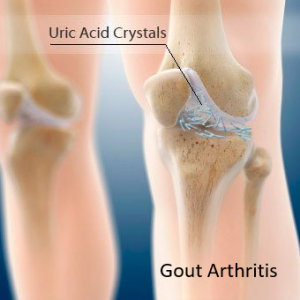
Gout is an inflammatory arthritis that is caused by hyperuricemia, where there is too much uric acid in the body. Uric acid crystals (monosodium urate crystals) can be build up in the joints, fluids or tissues. These needle-like, microscopic crystals collect in the soft tissue of the knee joint, causing pain that can be excruciating, as well as swelling, redness, and warmth.
Gout usually occurs in only one joint at a time. It is more likely to affect the big toe (metatarsophalangeal joint), but knee and ankle joints are also commonly affected.
-
Pseudogout: Calcium Pyrophosphate Deposition (CPPD)
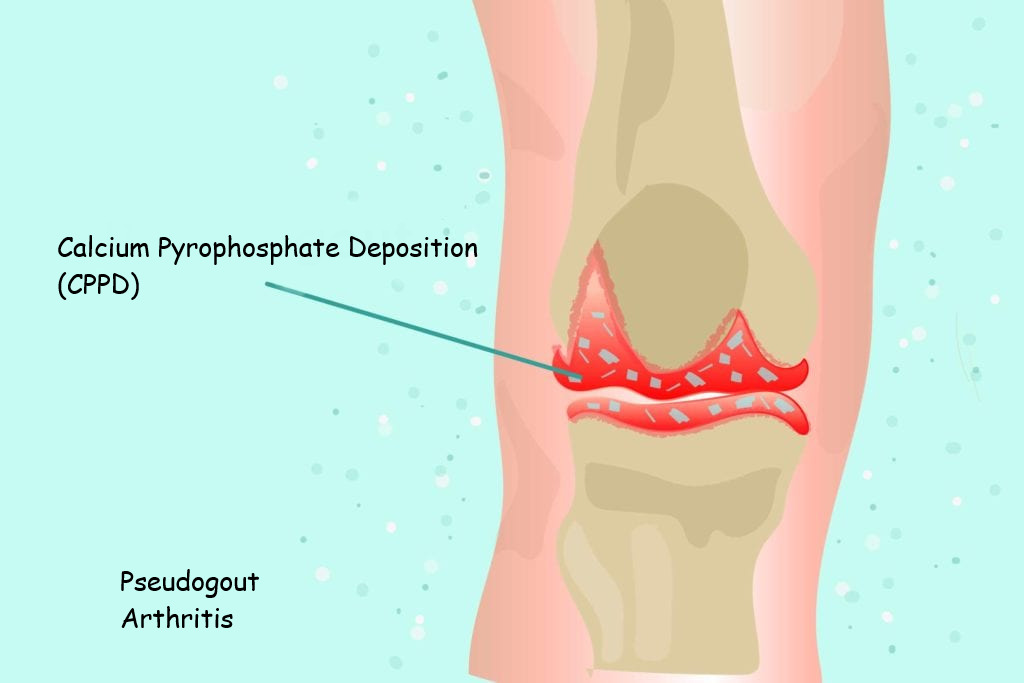
Pseudogout is also caused by a build-up of microscopic crystals called calcium pyrophosphate crystals in a joint. It is also called calcium pyrophosphate deposition disease or CPPD, the common term “pseudogout” was coined for the conditions similar to gout. It is a form of arthritis that causes pain, stiffness, tenderness, redness, warmth, and swelling (inflammation) in some joints. It usually affects one joint at a time, but sometimes it may affect several joints at once. Pseudogout is less common than gout but more likely to affect the knee joint.
-
Reactive Arthritis

Reactive arthritis usually targets the knee, though it can affect any joint. Arthritis inflammation can make a knee achy, swollen, and/or red.
Reactive arthritis is triggered by an infection in another part of your body, such as a stomach bug or a sexually transmitted disease (STD). By the time the patient presents with arthritis symptoms, often the “trigger” infection has been cured or is in remission in chronic cases, thus making determination of the initial cause difficult.
Here are some exercises that are safe to do at home:
Pelvic Bridging:
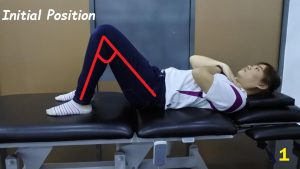
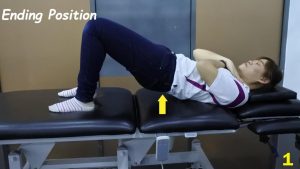
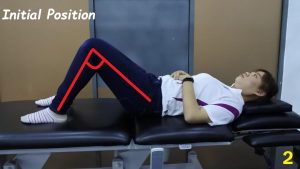
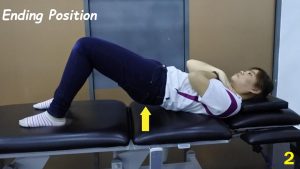
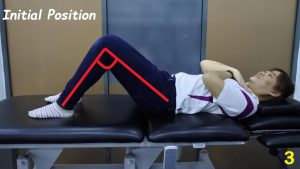
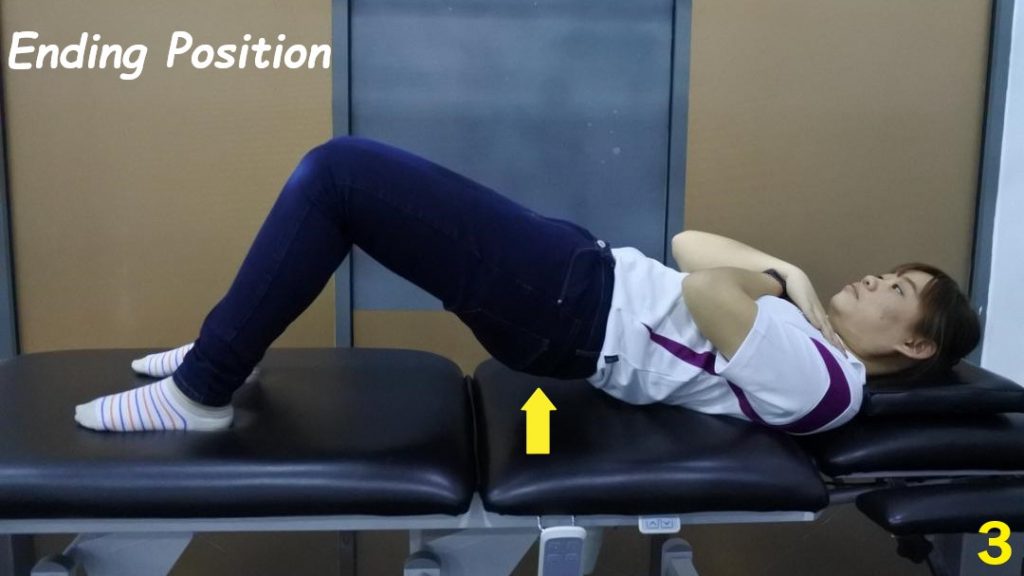
*Level of difficulty: Exercise 1>2>3 (Easy to hard) – It is easier to do when the knee angle is smaller.
Hip Extensors Strengthening:
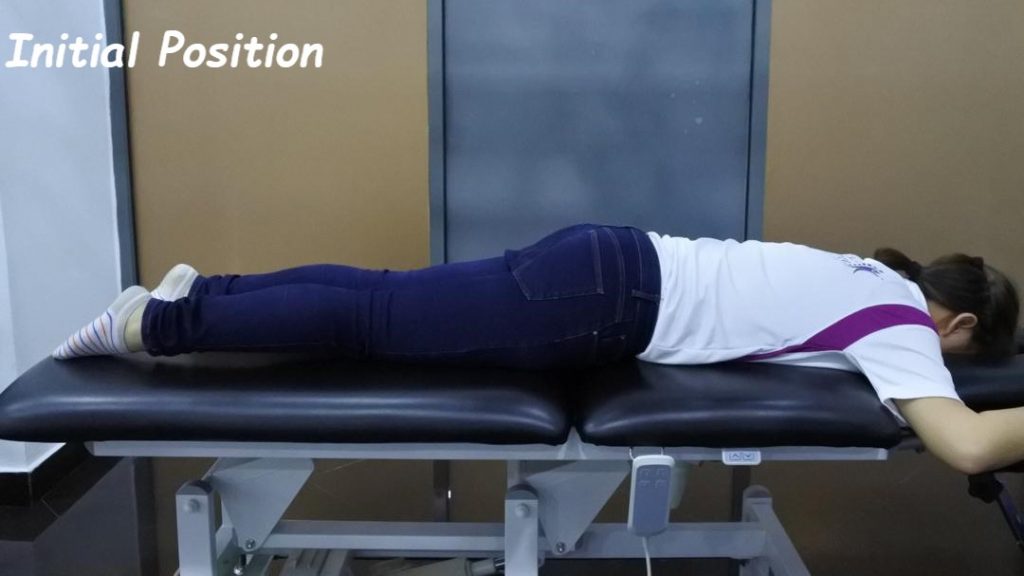
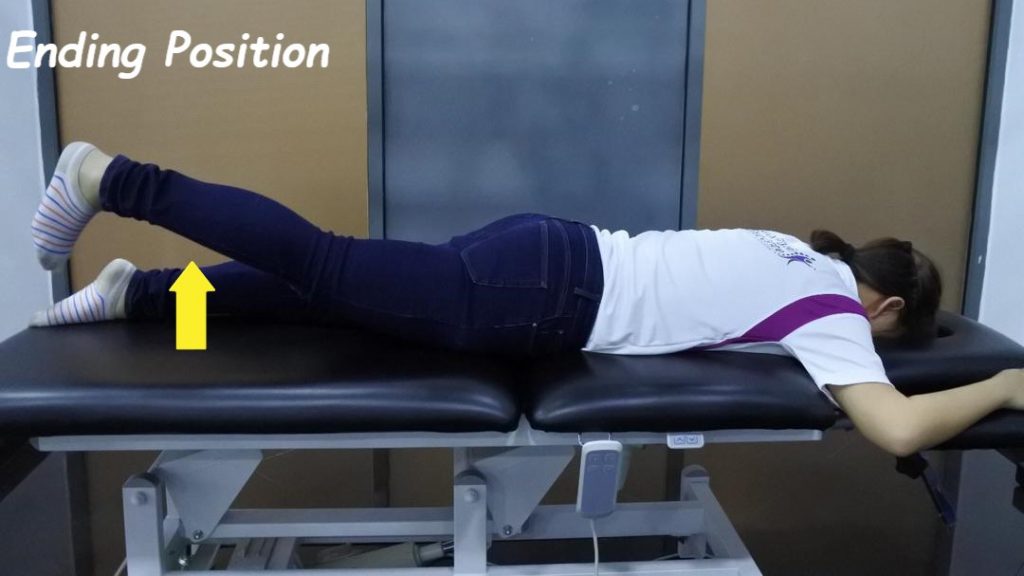
*Precaution: Pelvic cannot lift up!
Hip Adductors Strengthening:
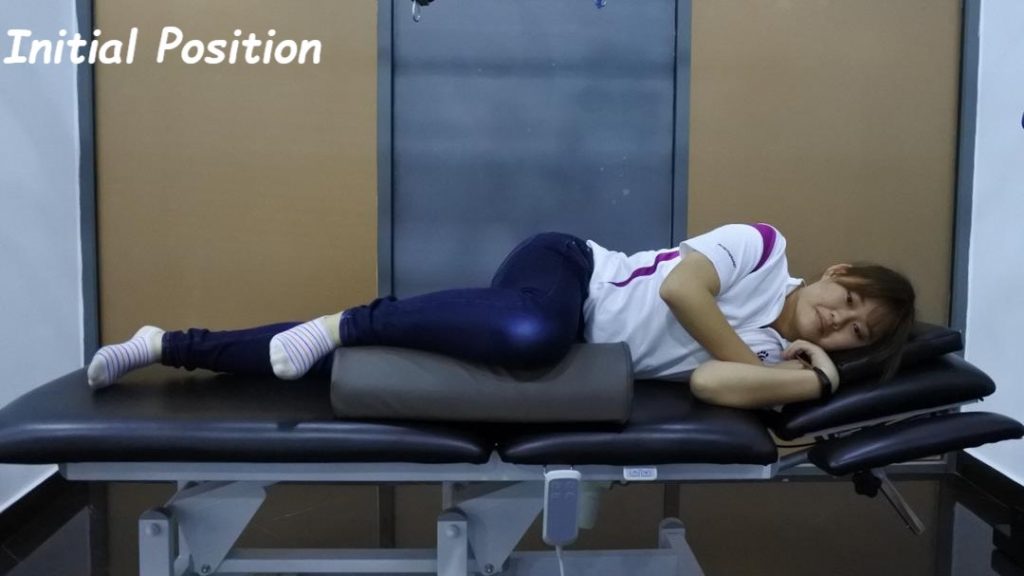
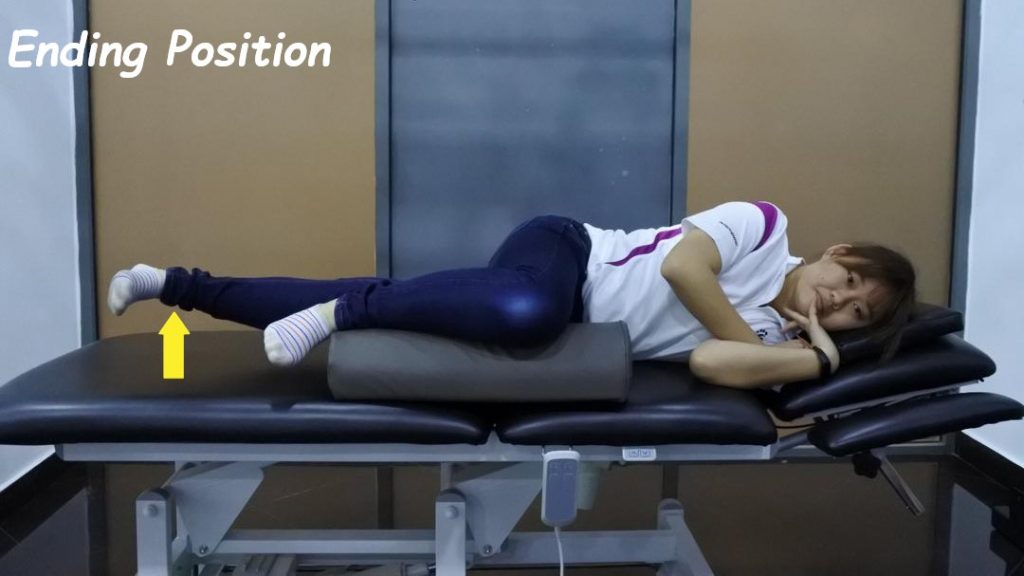
*Reminder: The upper leg can rest on a small pillow.
Hip Abductors Strengthening:
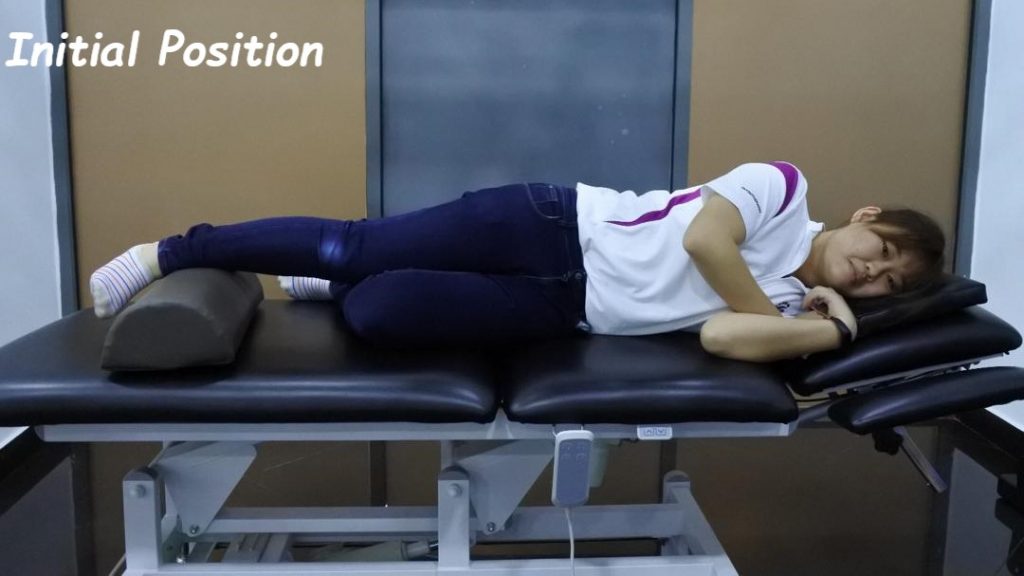
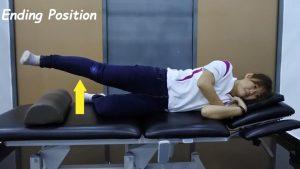
*Exercises Dosage: All exercises should be repeat for 10 times, each repetition hold for 10 seconds.
*All exercises are in common use for all types of arthritis and are safe to do at home.
*If you have any inquiries, please do contact us to book an appointment to consult our physiotherapists.
Reference:
- O’Sullivan S., Schmitz T.J. & Fulk G.D.(2014) Arthritis. In Iversen M.D. & Westby M.D. (6th Ed.) Physical Rehabilitation. (pp. 1031-1089). Philadelphia: F.A. Davis Company.
- Ebnezar J. (2006) Degenerative Disorders. Textbook of Orthopaedics. (3rd Ed.) (pp.543-555) New Delhi, India: Jaypee Brothers Medical Publishers.
- Ritchlin C.T. & FitzGerald O. (2007) Psoriatic and Reactive Arthritis: A Companion to Rheumatology. United States of America: Mosby Elsevier.